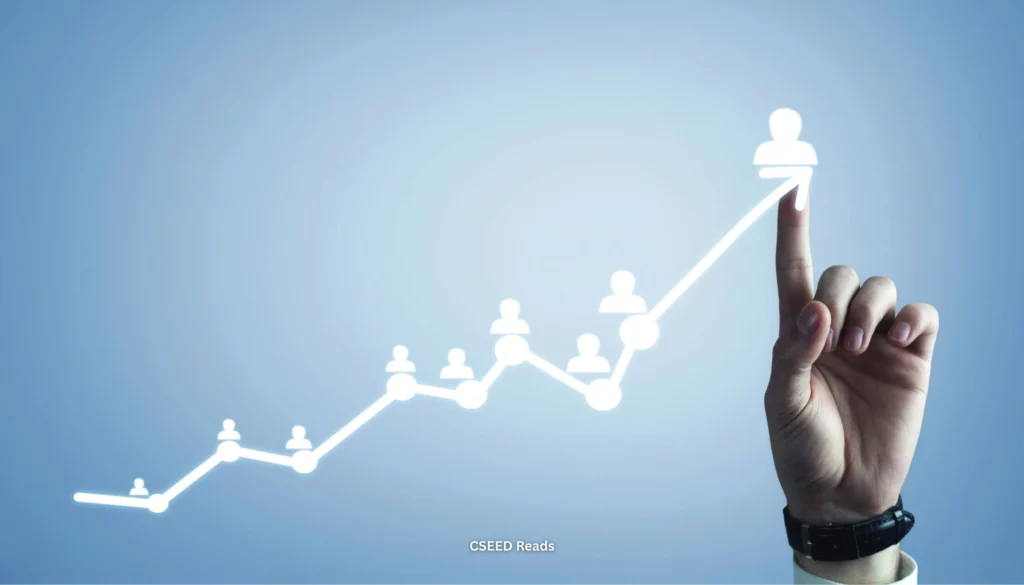
For decades, GDP has been the gold standard of success. Nations competed for higher numbers, companies celebrated rising revenues, and people measured personal achievement in material accumulation. Growth, in theory, was progress.
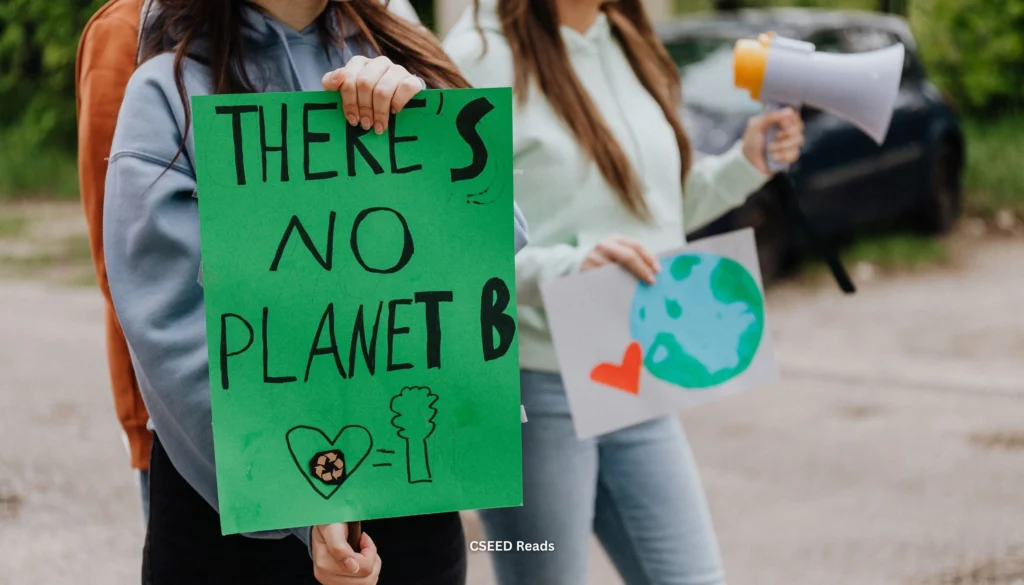
Yet today, something feels off. Higher economic figures do not always translate into better lives, stronger communities, or healthier environments. People are working more hours, mental health challenges are rising, and climate pressures are escalating. Progress, it seems, is slipping through the cracks of raw numbers.
“Growth without purpose is like speed without direction. It moves us forward but not necessarily toward a better world.” – Adapted from UN Sustainable Development insights
Why GDP and Growth Alone Are Insufficient
Economic growth measures production and consumption, but it often overlooks the human and environmental dimensions:
-
Inequality: Gains are rarely evenly distributed. Rising GDP can mask pockets of poverty and disenfranchisement.
-
Environmental degradation: Growth frequently relies on unsustainable extraction and energy use, creating long-term costs not captured in financial metrics.
-
Wellbeing disconnect: Rising incomes do not always correlate with happiness, mental health, or life satisfaction.
-
Short-termism: Focus on quarterly or annual growth can deprioritize innovation, resilience, and long-term societal benefits.
According to the OECD Inequality Report, countries with high economic growth still face rising income inequality and social stress, showing that growth is not synonymous with inclusive progress.
Redefining Progress
Some nations and organizations are experimenting with new metrics:
-
Wellbeing Indexes: Bhutan’s Gross National Happiness and New Zealand’s Wellbeing Budget measure social, environmental, and mental health outcomes.
-
Sustainable Development Goals (SDGs): UN frameworks track multidimensional progress beyond income.
-
Corporate ESG Metrics: Businesses increasingly assess environmental, social, and governance performance alongside profit.
These efforts reflect a shift from quantity to quality, from blind growth to growth with purpose.
Why This Matters to Individuals and Societies
-
Communities can prioritize local resilience and equity over blind economic expansion.
-
Businesses can innovate for impact, not just profit.
-
Policymakers can measure policies in terms of wellbeing and sustainability, not just GDP growth.
Economic growth alone is no longer enough. True progress must consider human experience, social cohesion, and planetary health. Only then can prosperity feel complete, meaningful, and sustainable.