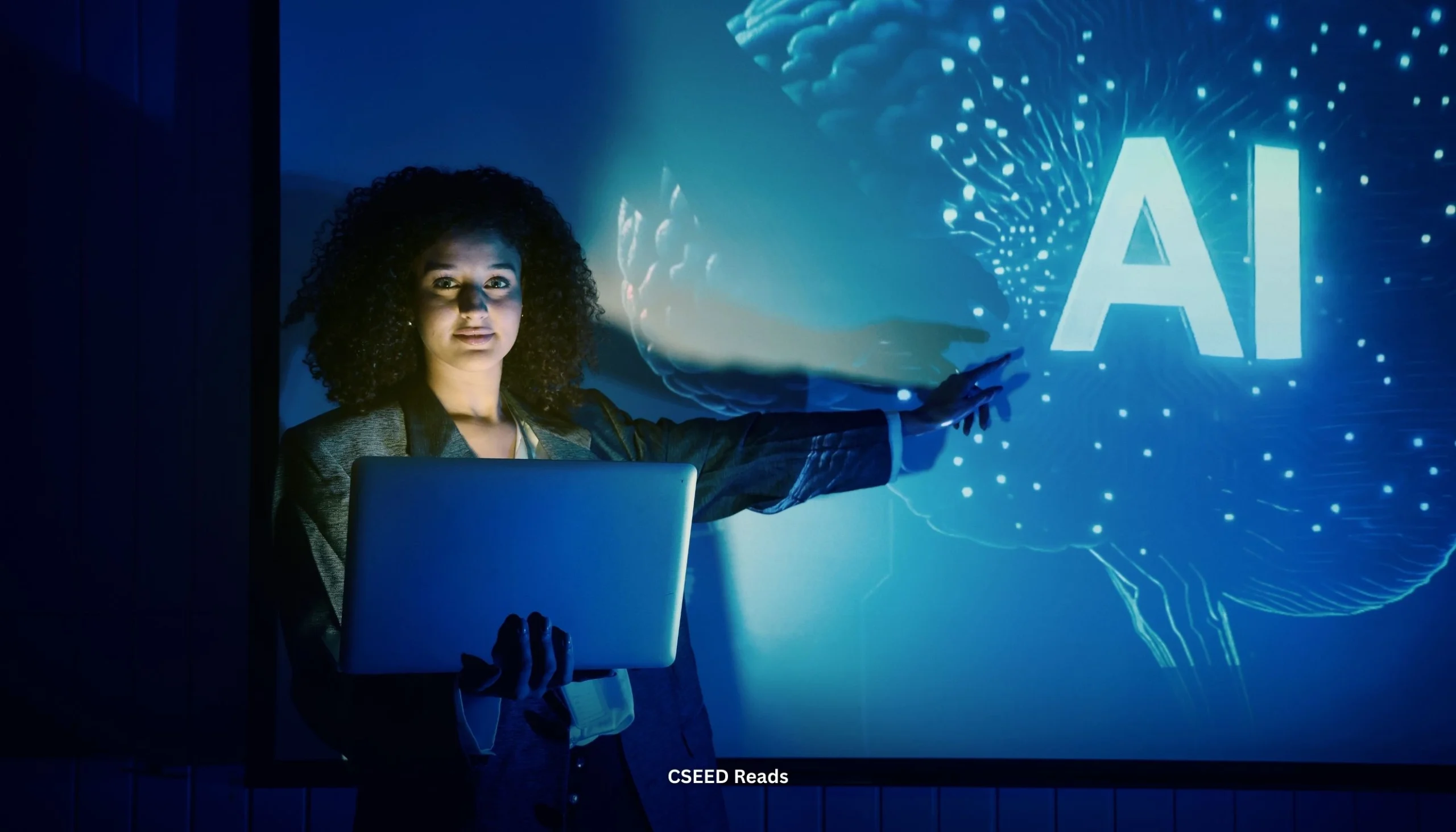
Power has traditionally shifted through wars, elections, and treaties. These changes took decades, sometimes generations. Today, artificial intelligence is changing power faster than politics ever managed to do. This shift is quieter, faster, and far more difficult to regulate.
Unlike political power, AI power does not wait for consensus.
Power No Longer Belongs Only to States
For most of history, states controlled power through territory, armies, and institutions. However, AI changes this balance. Technology companies, research labs, and even small teams now hold capabilities that once belonged only to governments.
According to the World Economic Forum Global Risks Report, AI concentration among a few actors poses serious governance and security risks. As a result, power increasingly flows to those who control data, compute, and algorithms rather than borders.
AI Moves Faster Than Political Systems
Politics relies on debate, negotiation, and compromise. AI develops through iteration, scaling, and deployment. This difference in speed creates a widening gap.
The OECD’s AI Policy Observatory highlights that regulatory frameworks consistently lag behind technological advances. Consequently, decisions shaping societies often happen in code long before laws catch up.
This imbalance makes political systems reactive instead of proactive.
Economic Power Is Being Rewritten
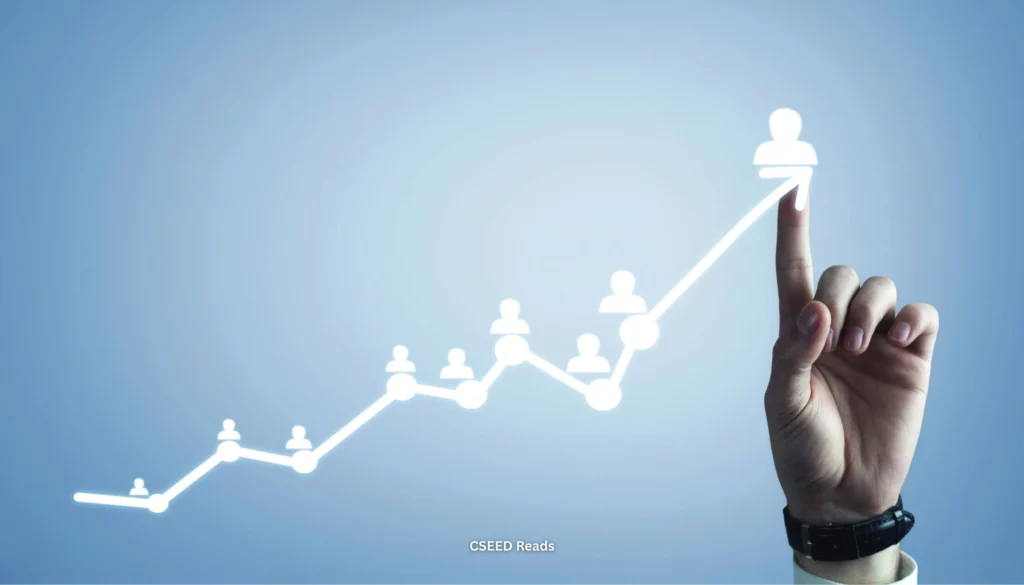
AI also reshapes economic power. Productivity gains, automation, and new business models concentrate advantages in AI-ready economies and firms.
The International Monetary Fund estimates that AI could affect nearly 40 percent of global jobs. While some roles disappear, others emerge. However, countries without AI infrastructure risk falling further behind.
As a result, economic influence increasingly depends on digital capability rather than natural resources alone.
Military and Security Dynamics Are Shifting
AI now influences military planning, surveillance, and cyber operations. These changes happen quietly but decisively.
According to research by the United Nations Office for Disarmament Affairs, autonomous systems and AI-enabled weapons raise urgent ethical and security concerns. Yet global agreements remain limited, fragmented, and slow.
This gap increases the risk of miscalculation and unintended escalation.
Information Power Shapes Public Reality
AI does not only change hard power. It reshapes perception itself. Algorithms influence what people see, believe, and trust.
The OECD’s work on misinformation shows how AI-driven content can amplify polarization and weaken democratic trust. Therefore, influence today often flows through platforms rather than parliaments.
This form of power operates continuously, not during election cycles.
What This Means for the Future
AI is not replacing politics, but it is outpacing it. Power now shifts through technology stacks, data access, and computational capacity. Political systems must adapt faster, cooperate more, and understand technology deeply.
Those who govern AI well will shape the future. Those who do not may find power slipping away without a single vote or treaty being signed.
AI is changing power faster than politics ever did because it moves beyond borders, institutions, and timelines. Understanding this shift is essential for leaders, citizens, and societies navigating the decade ahead.