Have you ever felt a knot in your stomach while reading about floods, wildfires, or melting ice caps? Or maybe a creeping unease when the weather behaves unpredictably, or when you scroll through alarming climate news? You are not alone. This emerging emotion has a name: environmental anxiety.
It is the quiet fear, the persistent worry, and sometimes the guilt we feel as we confront the reality of a warming world. Unlike panic or acute stress, environmental anxiety is subtle—it grows as we absorb information about our planet’s fragility and our own limited control.
“Environmental anxiety reflects awareness. It’s the mind’s response to a world changing faster than our capacity to adapt.” – Adapted from APA research on climate anxiety
Why Environmental Anxiety Is Rising
Several global and social trends explain why this feeling is now common:
-
Constant exposure to climate news: Social media, news outlets, and documentaries bring extreme weather and ecological collapse into daily life.
-
Direct experience with environmental changes: Heatwaves, floods, droughts, and storms are no longer abstract events, they affect families, communities, and workplaces.
-
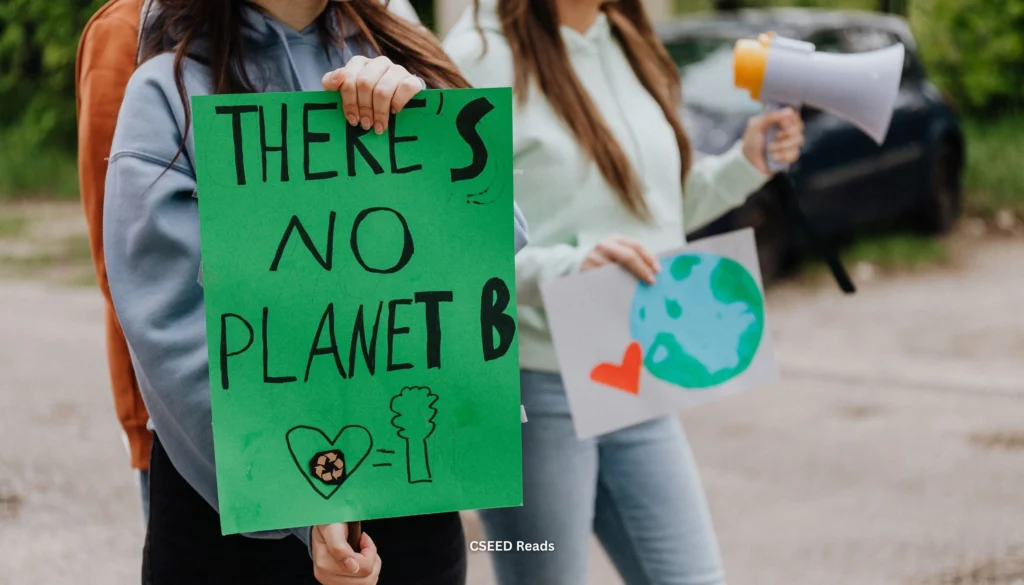
Generational awareness: Younger generations are growing up knowing that climate change is urgent, which amplifies their perception of risk.
-
Perceived lack of control: Global problems can feel overwhelming, making individuals anxious even when they act responsibly in their personal lives.
According to the American Psychological Association, nearly two-thirds of U.S. adults report feeling at least somewhat anxious about climate change, and the levels are highest among young adults.
How It Manifests in Daily Life
Environmental anxiety can appear in unexpected ways:
-
Reluctance to travel or consume goods with a high carbon footprint
-
Stress or guilt about lifestyle choices, even minor ones
-
Seeking constant updates on climate science or policy
-
Concern for the future of children and communities
Yet, this anxiety is not purely negative. When acknowledged and channeled, it can motivate action, inspire sustainable habits, and foster community engagement.
Practical Lessons from This Quiet Fear
-
Acknowledge your feelings: Recognizing anxiety is the first step toward resilience.
-
Stay informed but selectively: Limit exposure to alarming content and focus on solutions-oriented news.
-
Engage in community action: Volunteering or participating in sustainability initiatives transforms worry into meaningful effort.
-
Develop personal resilience: Mindfulness, reflection, and supportive networks help cope with persistent uncertainty.
Environmental anxiety is a shared societal experience, not a personal failing. Understanding it helps people normalize conversations, support each other, and transform concern into action.
The quiet fear of a warming world is here. And acknowledging it is the first step toward building resilience for ourselves, our communities, and the planet.